
Finding People in Novi
Novi has no official roll of every person who lives here. The best record depends on the question. A current parcel question belongs with the county property system. A past household question often belongs in a directory, newspaper, tax roll, census, or deed chain. A court-party question belongs with the court. Treat the source’s word as evidence: owner, grantee, voter, party, licensee, directory occupant, and burial are separate roles. That distinction keeps a name match from becoming an unsupported statement about a home or household.
Use the smallest reliable anchor first. A street address works well for land and map records. A full name plus an approximate year can narrow a court, vital, probate, or historic source. An old address may need its former road name. When a portal returns a record, retain its date, jurisdiction, and identifying number before consulting a second source.
- For a property connection, search the county parcel record by address or PIN and retain the situs and mailing labels separately.
- Use the recorder index to check whether a named party transferred, received, mortgaged, or otherwise recorded an interest.
- For a civic record, use the Michigan voter service only within its public fields and protected-voter limits.
- For a historic household, ask the Novi Public Library for the relevant directory, tax roll, newspaper, yearbook, or map.
- When a city record is not online, make a narrow written request naming the department, record type, address, and date range.
Note: A missing hit can reflect a different record role, an old spelling, a protected file, or an index gap rather than a definitive absence.
Novi Offices Behind Resident Records
Novi is in Oakland County, whose seat is Pontiac. Land, probate, and many historic-record routes therefore lead outside the city. The City Clerk handles city-created records and coordinates municipal requests. Oakland County’s Clerk/Register of Deeds keeps recorded land instruments. Property Gateway supplies a parcel and map route, while Michigan agencies maintain statewide voter and vital-record channels. The Novi street directory follows the address chain in more detail.
Oakland County Clerk/Register of Deeds
1200 N. Telegraph Road, Department 480
Pontiac, MI 48341
248-858-0597
Oakland County Property Gateway
County parcel, assessment, and map services
Pontiac, Michigan
248-858-8812
Michigan Elections Office
State voter information service
Michigan
See current service page
Novi’s clerk is a city-records contact, not a substitute custodian for county deeds, probate files, or Michigan certificates. The city route is useful for municipal records, permits, minutes, and a defined request. The county and state routes answer their own record questions.
Novi Parcel Searches by PIN
Oakland County Property Gateway is the address-to-parcel bridge. Its combined field accepts a PIN or property address and requires at least five characters. The portal documents partial examples such as 1200 S, 123 S V, and 1401100; it also accepts percent wildcards and comma-separated PINs. A 10-digit PIN, also called KeyPIN, Parcel ID, or Sidwell, is the stable number to carry from the map to a land-record search.
Property Gateway’s search entry point is shown below. It is a parcel path, not a complete resident list. Read its labels exactly. The situs address is the physical parcel. A mailing address is where tax correspondence goes. A homestead exemption, if displayed, is a tax classification and not a census of who occupies the property.
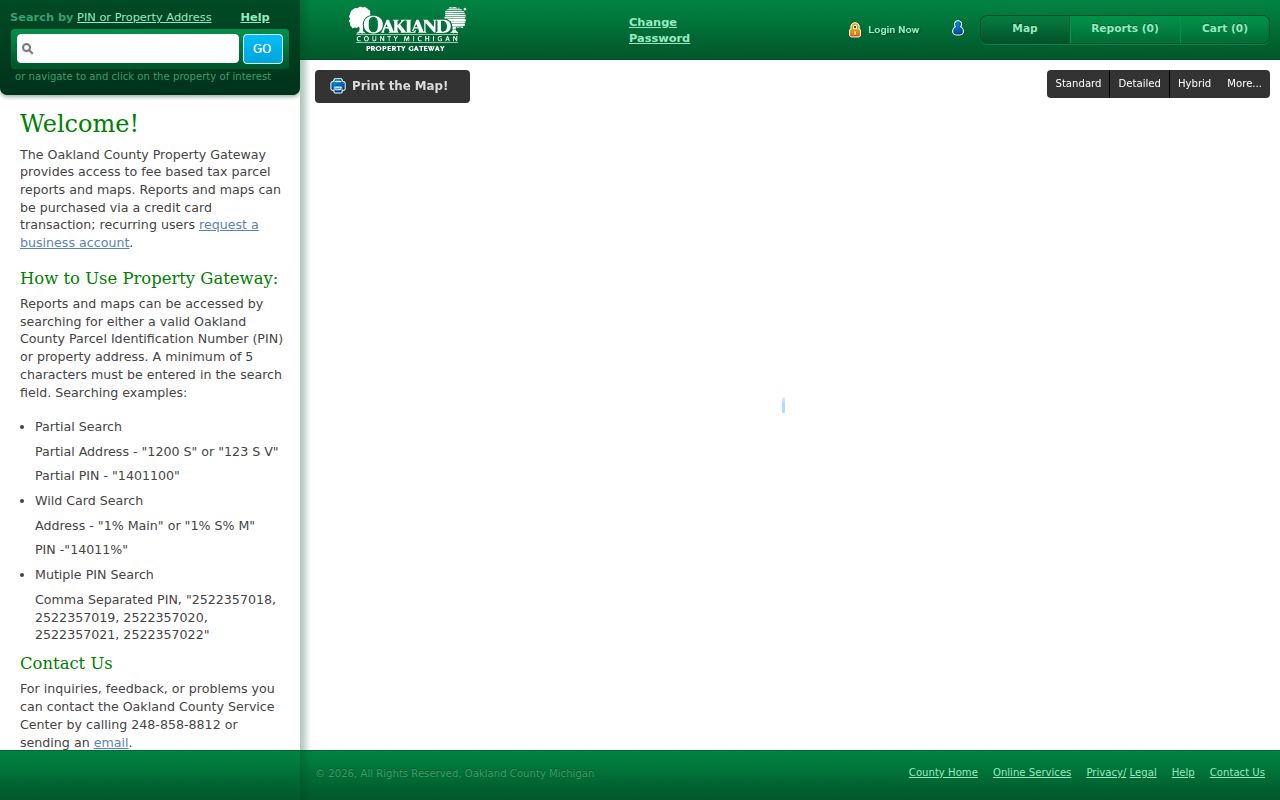
The screen shows why an address or PIN is a better opening key than a guessed household name. Map selection and parcel details can then be compared with recorder and city information.
- Parcel or PIN
- The county’s unique land identifier, used to connect a mapped parcel with assessment and recorded-land information.
- Situs address
- The physical street address assigned to the parcel.
- Mailing address
- The destination used for tax correspondence; it can differ from the situs.
- Criss-cross directory
- A reverse directory arranged by address, useful for a historical occupant or subscriber.
Novi Deed Names in Super Index
The county Super Index is the recorded-instrument trail. Its advanced fields include Grantor/Grantee, recorded or file date, instrument number, document type, subdivision, and block and lot. Begin with the current parcel’s owner and legal description. Search that person as grantee, then retain the indexed parties, date, document type, and instrument number before deciding whether to obtain an image. When the address does not work, the subdivision, lot, block, former road name, or PIN can provide the bridge.
Oakland’s Super Index permits free index work, while detail, image, download, or printing access may cost. County documentation confirms recorded-document copy availability back to January 1, 1964, apart from subdivision plat maps. Older books and microfilm, including Oakland material cataloged by FamilySearch, remain a fallback. A deed links parties to a transaction. It does not list every person who lived at the parcel.
| Portal field | Use in Novi | Retain |
|---|---|---|
| Grantor/Grantee | Search both roles and spelling variants. | Indexed party names |
| Recorded/File Date | Narrow a transfer period. | Date range used |
| Instrument Number | Return to the record. | Document identifier |
| Subdivision, Block, Lot | Bridge an address change. | Legal-description terms |
The Super Index search screen is the source for this image. Its free index and possible paid image path show why an index hit is not the full record.
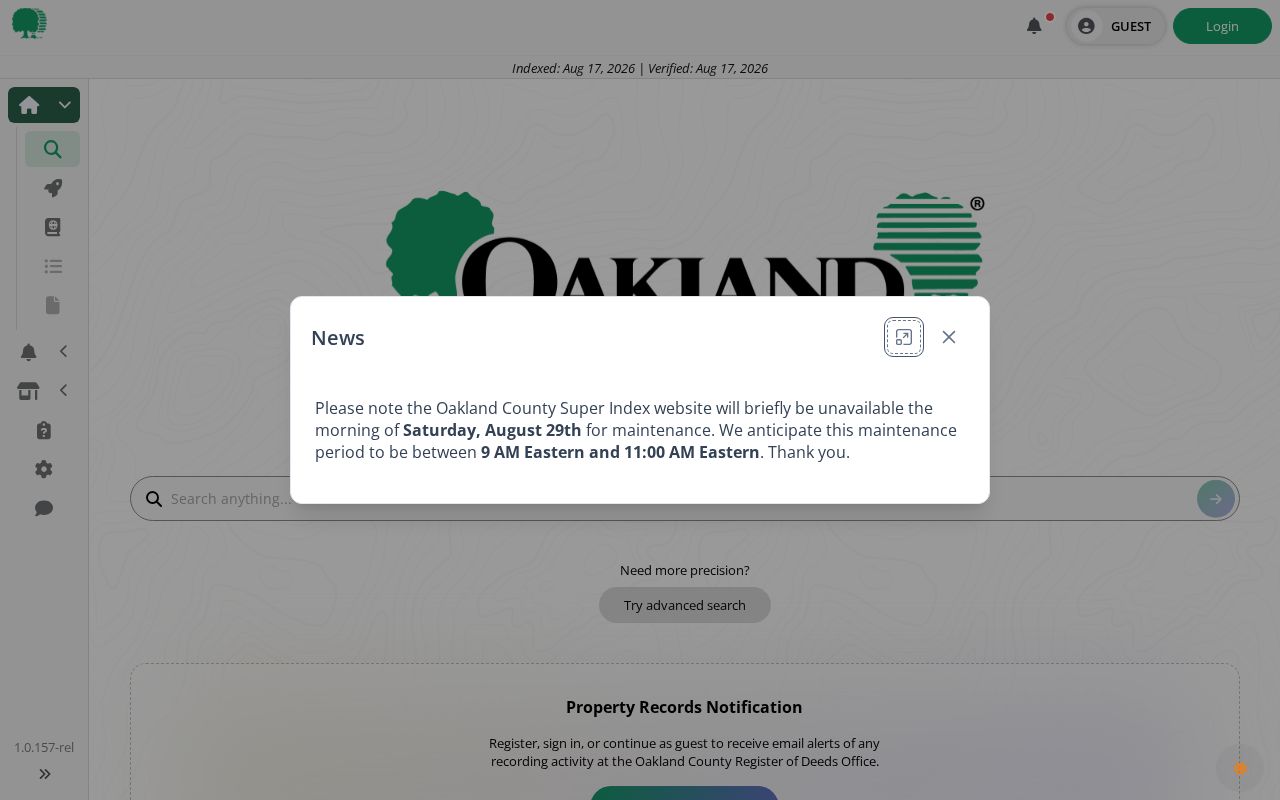
For an older trail, use the county counter, recorder historical material, Archives of Michigan, library collections, and deed books rather than assuming an online image must exist.
Note: Record the instrument number and legal description before buying a copy, because an image adds detail but does not replace identity checks.
Current Novi Resident Sources
Current sources are separate directories of relationships. Property records identify an ownership or tax connection. A voter record concerns registration and election administration. A court entry identifies a party and case. A business filing and professional-license result identify a public affiliation, not a home. This division tells a reader what a match can actually confirm.
| Record source | Relationship shown | Custodian | Access path |
|---|---|---|---|
| Property Gateway | Parcel, owner, mailing and assessment context | Oakland County | Address or PIN map search |
| Super Index | Recorded instrument party | Register of Deeds | Free index, possible paid image |
| MVIC or QVF | Voter-service or authorized voter-file fields | Michigan elections | Limited lookup or defined request |
| MiCOURT | Public court-party and case information | Michigan courts | Index, then clerk for files |
| Local History Room | Dated household, school, news, or civic clue | Novi Public Library | Onsite collection and staff help |
Use the source that matches the relationship at issue. A person found in a historical volume can be checked through the Novi resident lookup workflow when a later official record needs careful verification.
Novi Voter Records Have Limits
The Michigan Voter Information Center is a public voter-service tool, not a block-by-block residents directory. Registration records are public through Michigan rules, but the Qualified Voter File protects driver-license and state-ID numbers, month and day of birth, phone, email, digitized signature, last four Social Security digits, and other protected information. Michigan does not register voters by party. Election participation history, where properly available, does not disclose a ballot choice.
Michigan’s voter lookup should be used with the information it requests, then read as a current administrative record. A defined QVF request has separate scope and delivery rules. Address Confidentiality Program participants and protected voters must not be identified or reverse-engineered from a public search.
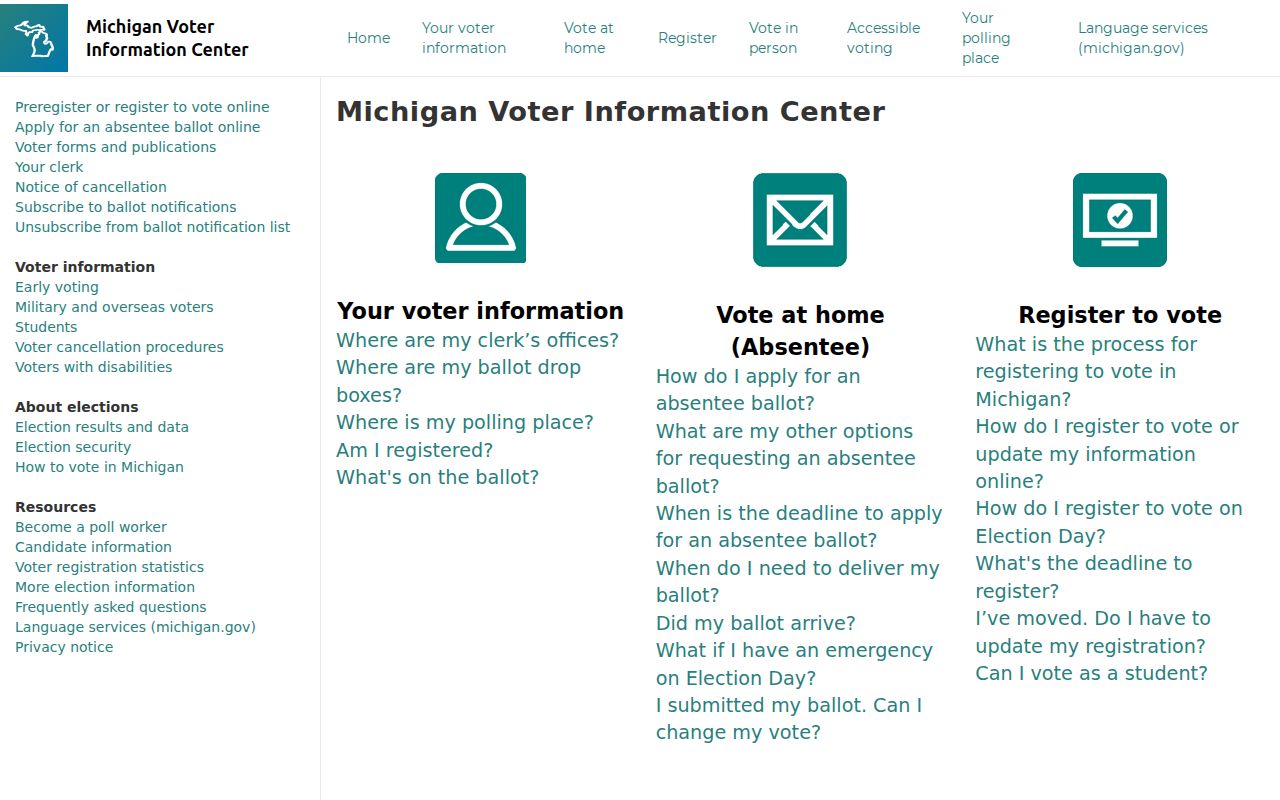
The form is designed for a person-specific service. It is not evidence that everyone at an address appears on one public screen.
Novi Court and Vital Checks
MiCOURT can provide a dated public court lead for Novi through the 52nd District Court, 1st Division, and other participating courts. Its displayed name route uses a last name or business name, with first name, middle name, and birth year as possible refinements. A public result can show court, case type, case number, dates, status, or disposition. Adoption, juvenile, protected, sealed, expunged, and other excluded matters will not appear in the ordinary index. The clerk, court terminal, mail route, or courthouse file is the next step for a copy.
For life events, Michigan’s Vital Records Division is the statewide custodian for certified birth, death, marriage, and divorce records, while Oakland County has its own marriage route. Birth records under 100 years have eligibility limits. Current state guidance describes births over 100 years as open to anyone, while the statutory historical-transfer rule uses a 110-year threshold in its own context. Death, marriage, and divorce access differs. An index is not a certificate.
Michigan’s vital-record ordering instructions are the source for this image and for current request channels. The state offers online, mail, phone, dropbox, appointment, and Will Call routes; fees and processing estimates should be confirmed at order time.
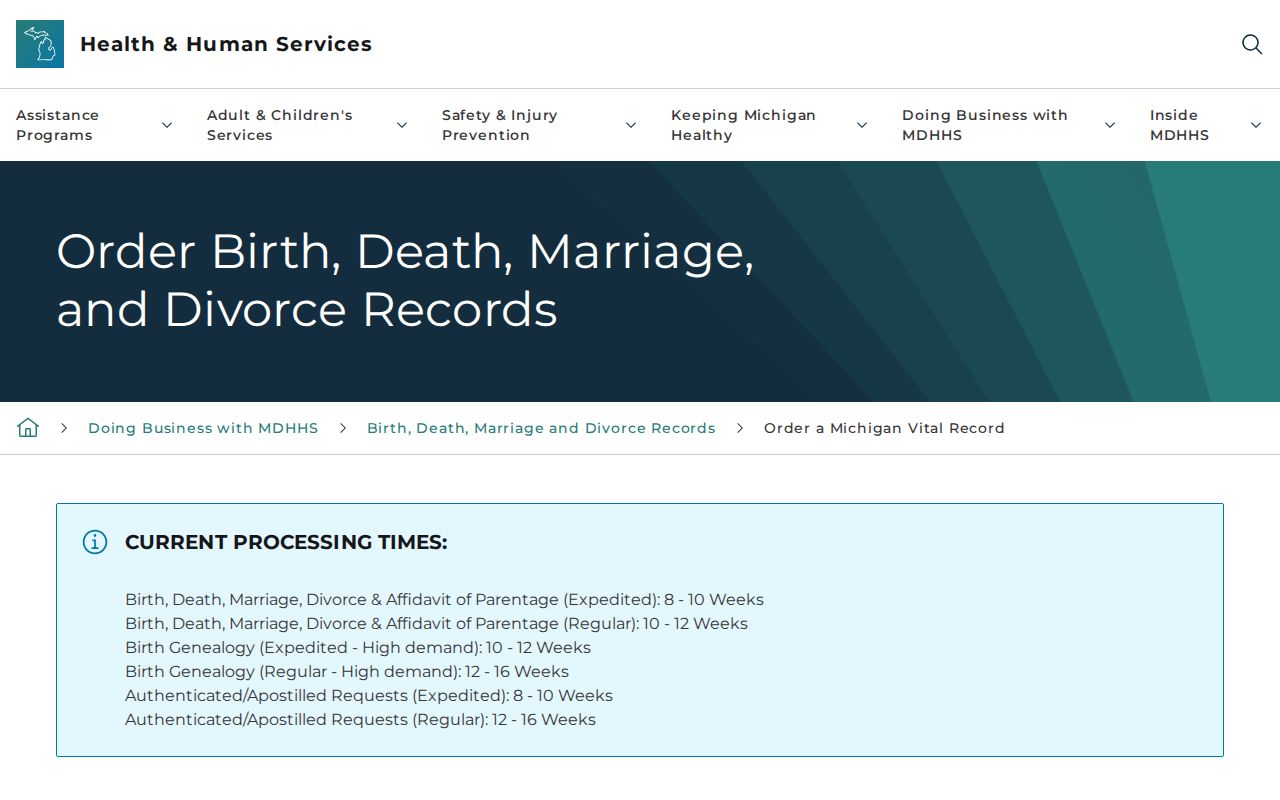
The request screen separates a historical index lead from a custodian-issued copy with its own eligibility and identification requirements.
Novi Library History Room
Novi Public Library’s Local History Room is the local route when an online index ends. It is on the second floor, material does not circulate, and scheduled room hours should be checked before visiting. The collection includes transcribed 1844–1851 tax assessment rolls, burial permits, maps, Novi History Binders, oral histories, photographs, school-board minutes, vertical files, and yearbooks. These formats can place a person or address in a date and local setting even when no modern directory search exists.
The collection also explains why historical work is not one database. The listed Novi News run has gaps and the current archive notice says it is temporarily unavailable. Nearby papers, microfilm, and yearbooks may still be available. Historical Commission and library staff can point to newly processed material or access rules. For directory volumes and how to read them, use the Novi Directory Book.
Novi Public Library’s Local History Room is the source for this image. Its non-circulating material is a practical fallback for tax rolls, maps, burial material, and dated publications.
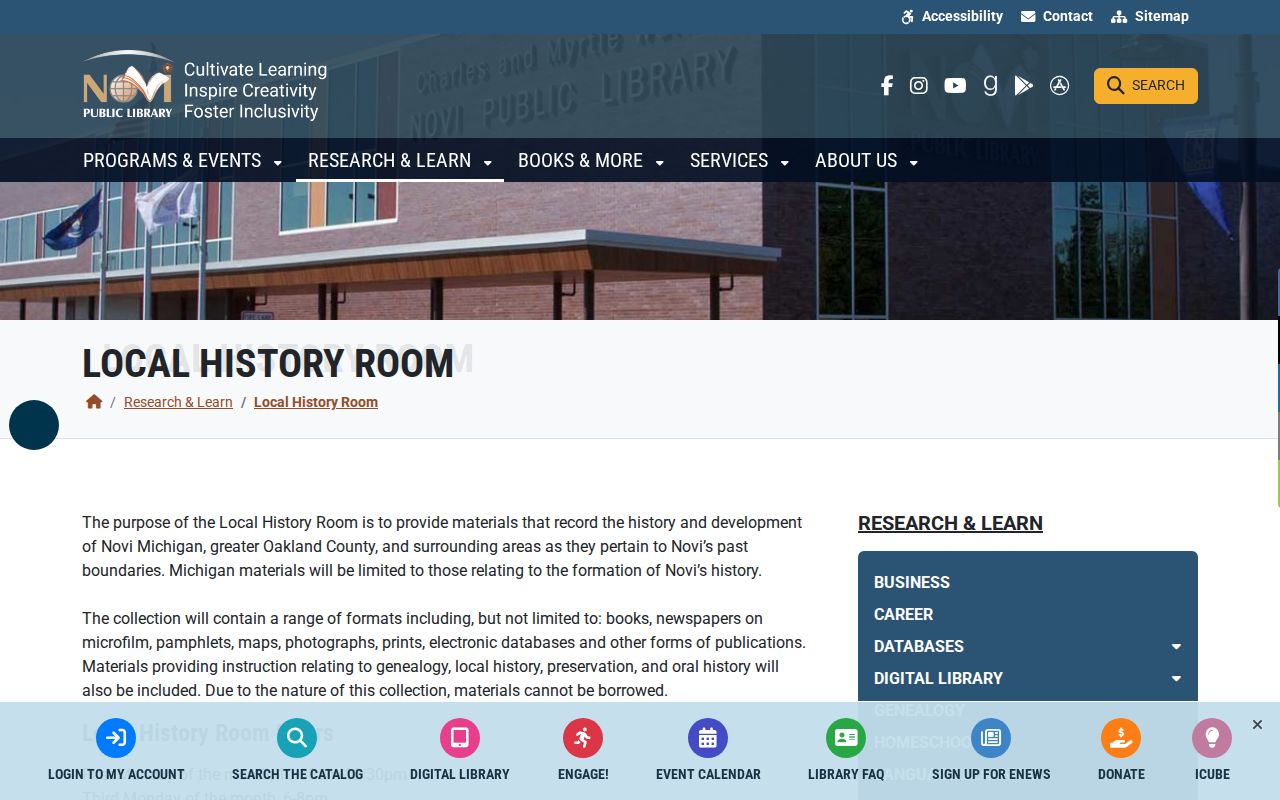
A name in a yearbook, obituary, or directory should still be described according to what that particular historical source states.
Earlier Novi Directory Trails
Historical directories around Novi need careful geography. The Oakland County Historical Society shelf list identifies county directory and officer volumes from 1947–48 through 1969–70 and Polk’s Pontiac directories for 1950, 1952–54, 1956–57, 1960, and 1962. A volume may include a suburb or omit a particular Novi household, so inspect the title, front matter, and city section. The Library of Michigan explains that surname pages, street indexes, ownership marks, and telephone listings describe different kinds of entries.
The earliest local-style example is an 1863–64 Michigan gazetteer entry for Novi. It gives place information, officials, a postmaster, and trades, not a complete household roll. Pair a directory entry with census schedules, deeds, probate, cemetery records, and newspaper notices. The public federal census reaches through 1950 in 2026, giving another dated household check.
Novi Street Names Change Searches
Novi’s master street-name list is more than a map aid. It was created to reconcile Building, Assessing, CLEMIS, LAMS, QVF, GIS, USPS, and original-plat naming. An old record can use a form that a modern address search ignores. The list records variants such as Lee BeGole and Lee Begole, Monday Drive and Avery Lane, Ludlow Street and Drive, Millstream and Mill-Stream, and Main Street variants.
Several changes give a practical reason to try both forms. Decker Road became Novi Road in 1996. West Road became West Park Drive in 1999. Karevich names were separated into South and North in 2012. This is records geography: a postal label, street name, lot and block, PIN, and municipal boundary may each use a different convention. Preserve the source’s spelling rather than silently converting it.
Note: When a modern address search fails, test the former road name, subdivision, lot, block, and 10-digit PIN before concluding the record is missing.
Novi Privacy Boundaries
Michigan public-record access has firm limits. Michigan FOIA, MCL 15.231 et seq., provides a written-request route for public records, generally with a five-business-day response period and a possible written ten-business-day extension. A narrow request can reduce search and copying costs, but it cannot make protected voter fields, restricted birth records, DMV information, sealed court material, private utility accounts, or private association rosters public.
Novi’s FOIA Request Center accepts online submission and tracking, while the city also accepts requests in person, in writing, or by email. The request should identify city-held material only; deeds, court files, and state certificates must go to their own custodian.
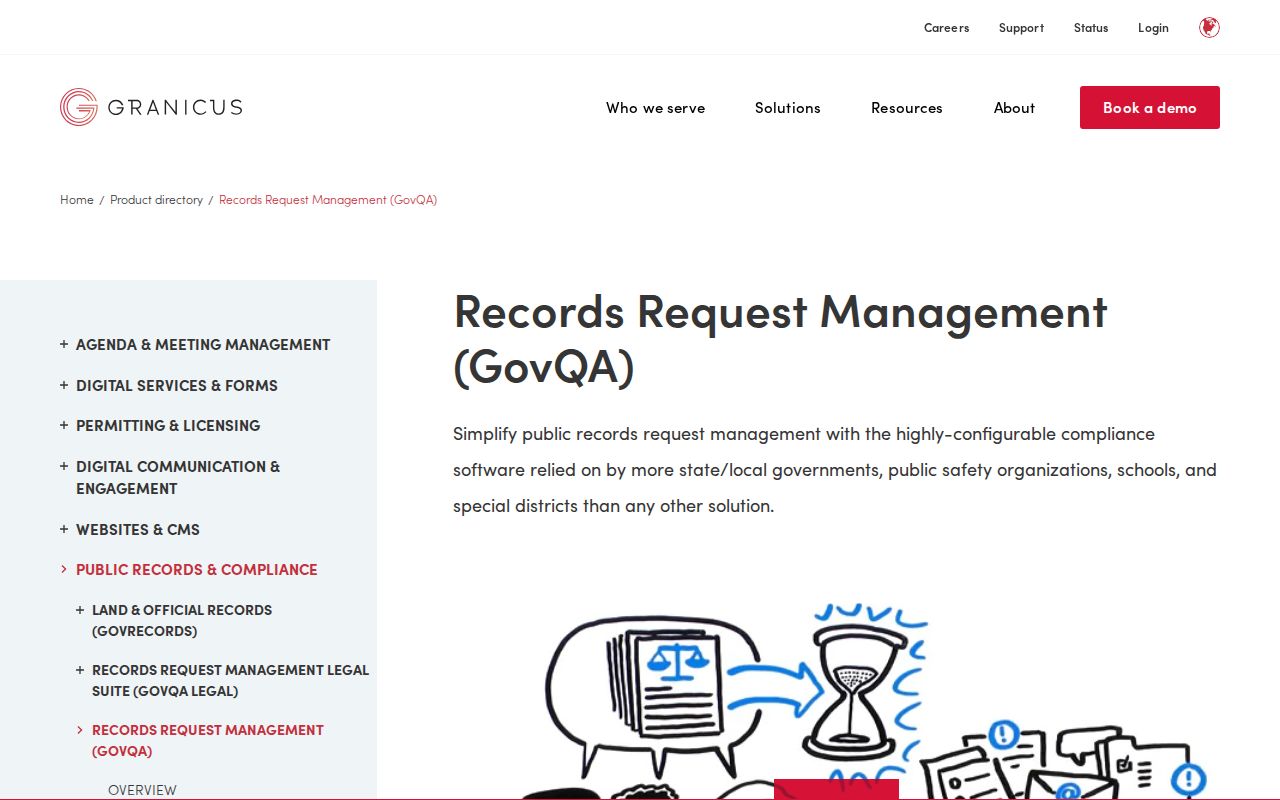
The city portal is an access channel for a defined municipal record, not a replacement for county or state record systems.
Novi Safety Registry Limits
Michigan’s public safety registry is a narrow, legally controlled source, not a residents directory. The state search can offer name, address, city, county, ZIP, and radius modes, with notices about lawful use and privacy. It should never be treated as a general identity check or a way to infer a household. Oakland County jail information can lag, and custody questions belong with the jail or court, not an address search.
Michigan’s registry search is the source for this image because its address and radius controls are often misunderstood. Its stated purpose and current notices determine what results can mean.
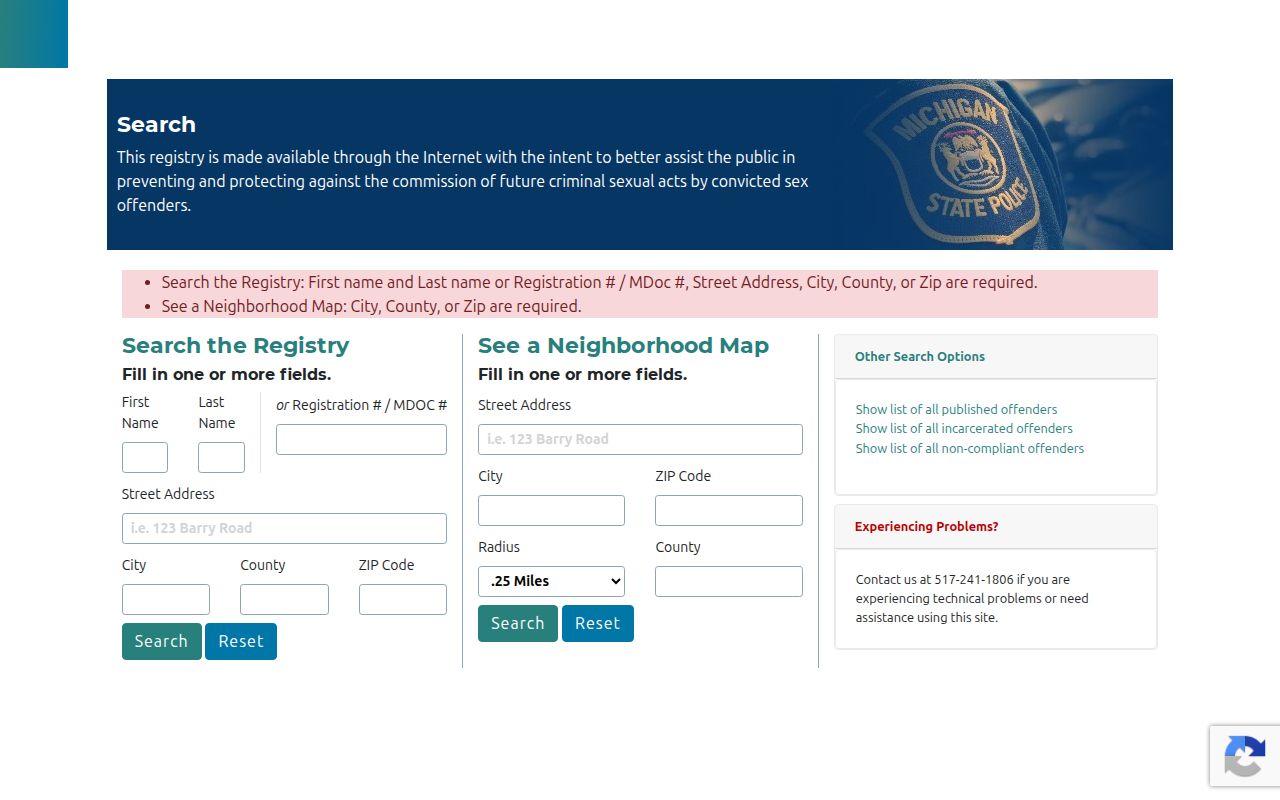
For a family-history or address question, use property, library, court, probate, and custodian records suited to that question instead.